

Insights

Healthcare Champions Cohort
Abuse, aggression and challenging behaviours are becoming an increasingly common reality across healthcare. From busy reception environments through to difficult conversations with distressed patients and family members, medical clinics are being asked to manage increasingly complex human behaviour risks while continuing to deliver exceptional care.
The challenge is not simply having the right policies in place. The challenge is building confidence, capability and resilience in a way that is practical, affordable and sustainable.

Situational Awareness: The Life Skill That Changes Everything
Situational awareness is more than a workplace skill. It's one of the most valuable personal safety skills you can develop. Whether you're interacting with customers, working in the field, travelling home or supporting family and friends, the ability to notice early, assess your options and act before situations escalate can make all the difference. Discover why organisations across frontline, operational and community sectors are investing in situational awareness and de-escalation training that builds confidence, capability and safer outcomes both at work and in everyday life.

Managing Abuse and Aggression in Contact Centres
Contact centre staff face abuse and aggression every day across phone, email, chat and social channels. Good Drills provides practical skills to manage difficult moments as they happen, while Good Space helps build the resilience needed to stay confident, effective and well over the long term.
Skilled in the moment. Strong for the long term.

De-Escalation Starts Before the Conversation: Why Situational Awareness Matters
De-escalation starts before a conversation becomes difficult. Discover how situational awareness, SWAG, CLAW and Define Your Line help customer-facing teams manage challenging interactions with confidence

De-escalation: One Skill Every Customer-Facing Team Needs Right Now
Customer aggression is rising. Learn how de-escalation, situational awareness, and clear boundaries help frontline teams stay safe and confident.

Necessity Is the Mother of Adaptation
Abuse, aggression and violence are no longer isolated or unexpected hazards in customer‑facing workplaces. They are frequent, foreseeable, and increasingly normalised across banking, utilities, councils, retail, health and professional services.

Customer Violence - Continues to Rise
Customer aggression is rising across New Zealand workplaces. Situational awareness and practical training are now critical to keeping frontline staff safe in retail, banking, and customer‑facing environments.
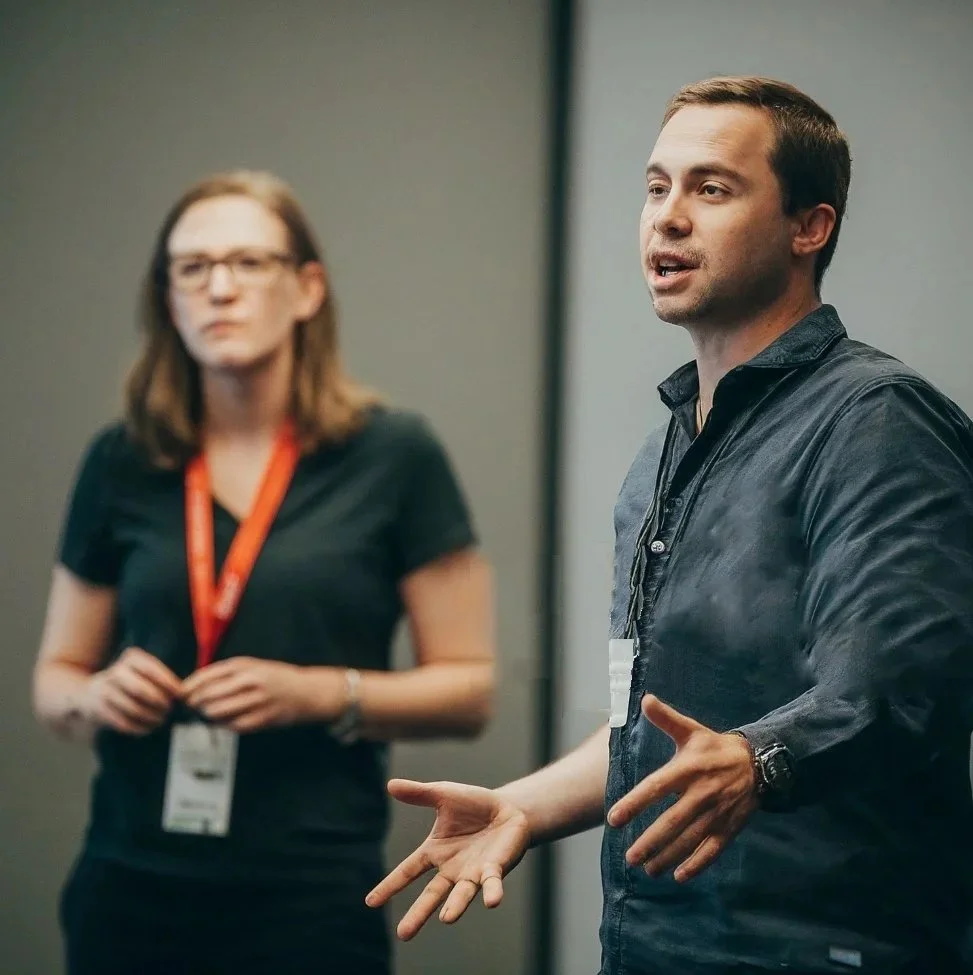
Training Builds Awareness. Champions Build Capability
When organisations combine strong training with internal Champions, capability becomes visible, repeatable, and resilient.
Practice becomes business-as-usual.
Leadership confidence grows.
Culture compounds rather than decays.